

Though lead-based paint was banned in 1978, many Virginia homes built before then may still contain it. If yours does, your child may be at risk of lead poisoning. The good news: Lead poisoning is easy to prevent. To help parents keep kids safe, the Virginia Department of Health offers the following information on how to identify and remedy lead paint risks in the home.
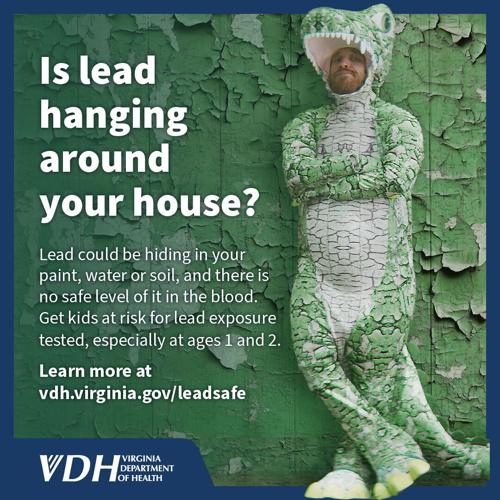
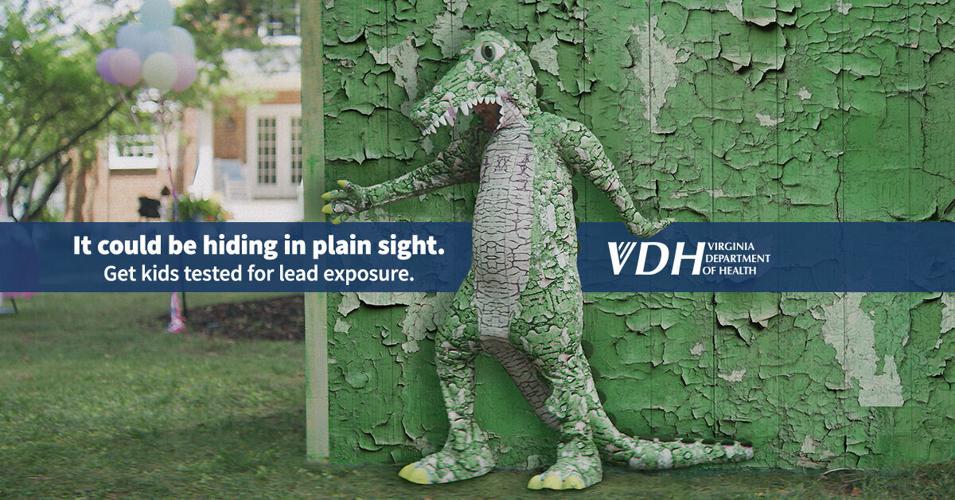
Lead itself is not directly visible, but knowing what to look for can help prevent exposure. The most obvious sign of lead-based paint, according to the Virginia Department of Health, is paint that is “alligatoring.” This means that the paint is cracking or looks scaly, similar to an alligator’s skin. Per the VDH, when paint cracks and flakes, it can release lead dust into the air (if there was lead in the paint to begin with, of course), freeing it to be inhaled or ingested.
While anyone can get lead poisoning, young children are most susceptible for two reasons. First, they absorb lead more easily than adults. And second, they are much more likely to put things in their mouth. For example, say a child’s toy sits beneath a windowsill covered in cracking lead paint. If flakes or dust from that paint fall onto the toy, and the child puts the toy in their mouth, they may now have lead in their body.
If you have a young child in an older home, the VDH recommends conducting a “chip check,” a simple reminder to look out for alligatoring paint.

Chipping paint? Here’s what to do
So you did a “chip check,” and you noticed some old paint in your house is chipping and cracking. Your house was built before 1978 and you’re not sure if the paint contains lead. What should you do? The most important thing to do, according to the VDH, is to stay away from it. Sanding or scraping the chipping paint can release lead into the air or onto surfaces surrounding the paint, increasing the risk of inhalation or ingestion. Leave it alone and hire a lead-safe certified contractor or a licensed lead abatement firm to come out and make your house lead-safe.
If the chipping paint is outside, the same rules apply: Don’t touch it without the help of a professional. In the meantime, try to keep kids away from the area around the paint, as lead-containing paint chips and dust may already be in the soil.
What to do if you suspect lead exposure
Most children who have ingested or inhaled lead don’t show any signs or symptoms of being sick. Still, you can find out whether your child has been exposed to lead. Your health care provider can order a blood test to determine whether your child has lead in their blood and how much. Depending on the results, the VDH has specific guidelines to follow to prevent harmful lead poisoning. For more simple steps you can take to protect your family from lead exposure, check out VDH’s tips for preventing lead exposure in the home.
If you’re concerned about lead in your home, don’t hesitate to contact a professional who can mitigate it. In the meantime, consider the VDH’s Lead Risk Checklist to determine if your child should get tested for lead in the blood. For more information and resources, and to learn about additional sources of lead, visit vdh.virginia.gov/leadsafe.